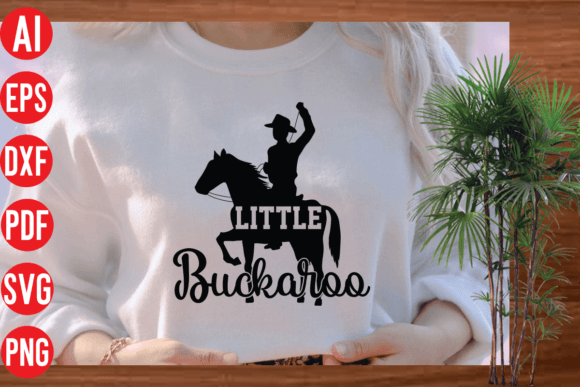
Little Buckaroo Embroidery Design Review
As an embroidery designer with years of experience in creating and testing digital embroidery files, I always approach new designs like Little Buckaroo with a critical eye. This Western-themed design promises to be a go-to for custom apparel and handmade products, but how does it hold up under real-world conditions? Let’s take a closer look.
First Impressions: A Touch of the Wild West
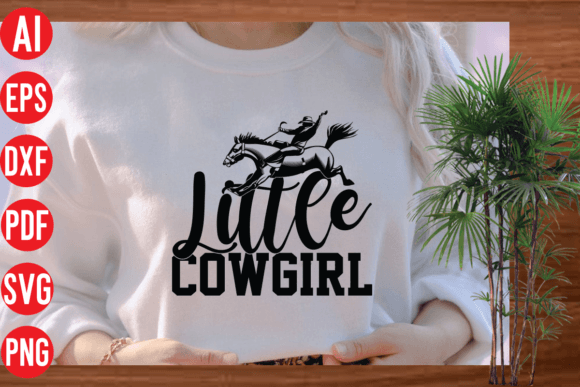
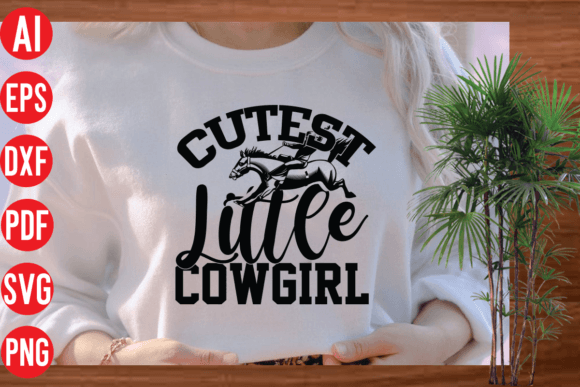
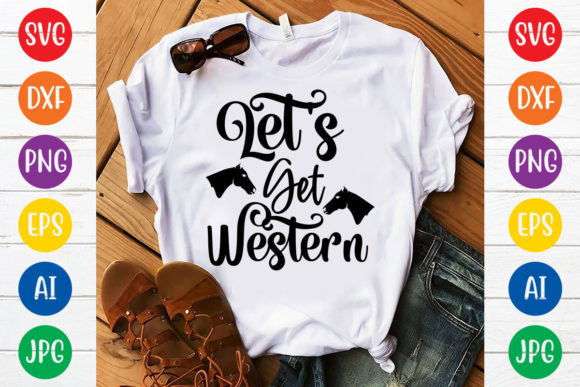
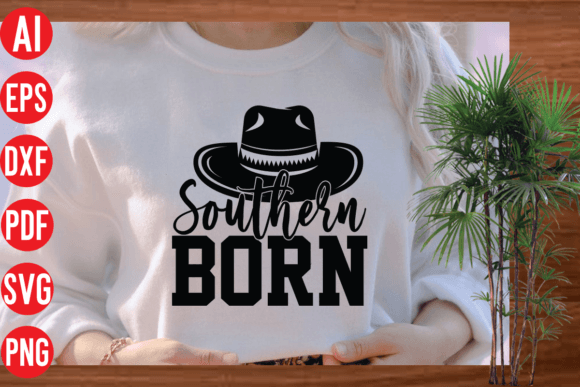
The first thing that stands out about Little Buckaroo is its bold visual personality. The design carries a classic Western vibe—think rodeos, cowboy boots, and sunsets over open plains. Its layout is well-balanced, with a central motif that feels both playful and stylish. The level of detail is just right for most machine embroidery projects, avoiding overwhelming density while still maintaining character.
I found myself imagining this design on a custom sweatshirt for a kids’ ranch birthday party or as a decorative patch on a leather apron. It naturally fits into casual and themed apparel, which makes it appealing for crafters and small business owners looking to add a bit of flair to their T-shirt designs or tote bag graphics. The mood is upbeat and adventurous, which could resonate well with customers who appreciate rustic charm or Americana aesthetics.
Visual Appeal Meets Practicality
What sets Little Buckaroo apart from other Western-style SVGs is its clean structure. The lines are crisp without being too delicate, and the overall shape is scalable enough to adapt to different product types. Whether you're working with satin stitch outlines or fill stitch interiors, the design allows for flexibility in execution. This is especially important when considering varied fabric textures and hoop sizes, common in real-life embroidery projects.
From a branding perspective, this design can serve as a subtle yet recognizable asset for a small shop product line or Etsy listing. It doesn’t scream “Western,” but it definitely whispers it, making it versatile for both personal and commercial embroidery use. As a graphics file, it maintains clarity across formats—SVG, EPS, PNG, DXF, and PHD—which is great for those who need to preview their design before stitching.
Real-Life Embroidery Performance
Let’s say you’re preparing a batch of custom embroidered tote bags for a fall market event. You want something eye-catching but not too flashy. Little Buckaroo would fit the bill perfectly. When stitched onto cotton twill or denim, the design holds up well with minimal distortion, thanks to its moderate stitch density and solid anchor points.
In a sweatshirt embroidery scenario, the design’s size and layout make it ideal for placement on the chest area. It doesn’t overwhelm the garment, nor does it get lost in the background. For baby items like onesies or bibs, the motif’s simplicity prevents it from becoming cluttered, though I’d recommend scaling it down slightly for smaller formats.
If you're using this as an applique design, the edges are smooth and easy to trim, especially when paired with a good quality stabilizer. The thread color suggestions provided (if any) seem to complement the theme, but—as always—I suggest experimenting with your own palette to match brand colors or seasonal themes.
Where Caution Is Needed
- Small Hoop Sizes: While Little Buckaroo is adaptable, shrinking it too much can cause details to lose definition. Always test on scrap fabric if planning to use in mini patches or cap embroidery.
- Textured Fabrics: On materials like canvas or flannel, the texture might interfere with stitch clarity. A tear-away or cut-away stabilizer will help maintain sharpness.
- Stretchy or Thin Fabrics: Avoid using this design on stretchy T-shirts unless you stabilize properly. Thin fabrics may also show through the back, affecting the overall appearance of the finished product.
- Dark Fabric Backgrounds: Thread contrast becomes a concern here. If your design includes light-colored elements, they may not pop as intended. Consider using white or cream threads to enhance visibility.
- Curved Surfaces: Placing this design on curved surfaces such as caps or round pillows requires careful alignment and possibly some reformatting to ensure even coverage and no puckering.
Design Notes for the Detail-Oriented Creator
Before finalizing your project, there are several steps I recommend taking to ensure Little Buckaroo performs at its best:
- Test on Scrap Fabric: Even if the design looks good on paper, see how it behaves on your chosen material. This helps catch issues like tension or stretching early.
- Review Stitch Density: Make sure the design isn’t too packed with stitches, especially if you plan to embroider on garments that will see frequent washing.
- Check File Compatibility: Since this is a digital embroidery file, confirm it works seamlessly with your embroidery software and machine. File formats included (AI, EPS, SVG, PNG, DXF, PHD) should offer broad compatibility, but always verify.
- Inspect Small Details: Look closely at corners and intricate parts. If there are tiny lettering or patterns, consider whether they’ll remain legible after multiple washes or when resized.
- Use Proper Stabilizer: Depending on your fabric, choose a stabilizer that supports the design without leaving residue or tearing easily during removal.
- Confirm Licensing: Before selling any finished product or digital assets based on this design, double-check the licensing terms. Some designs require attribution or restrict commercial use, so it's essential to know where you stand.
Thread Color Suggestions and Contrast
While the product description doesn't specify exact thread colors, the default choices likely aim for a traditional Western feel. As a designer, I always suggest playing with thread combinations to suit your audience. For instance, swapping out brown for navy blue can give the same motif a more modern twist, suitable for boutique branding or contemporary T-shirt designs.
Using black and white mockups before finalizing can also help determine whether the design will work across different fabric colors. Light vs. dark backgrounds can drastically affect visibility, so don’t skip this step if you’re aiming for consistent results across a range of products.
Final Thoughts for Creative Entrepreneurs
Little Buckaroo has potential—but like any embroidery design, it needs thoughtful application. It shines brightest on mid- to large-sized projects where the Western aesthetic can breathe and where fabric and hoop limitations aren’t a concern. For a handmade product line, it adds a charming touch that can elevate a basic item into a memorable gift or branded piece.
Its visual appeal and thematic versatility make it a strong contender for holiday gifts, personalized items, and even nursery decor. However, if you're working with tight spaces or tricky materials, proceed with care. With the right preparation and adjustments, this design can become a staple in your collection of T-shirt designs and graphics for commercial embroidery.
For Etsy sellers and craft fair participants, remember that customer trust is built on consistency and quality. A well-executed Little Buckaroo can boost buyer engagement and make your products more giftable. Just ensure that every stitch tells the story you want to tell.