Little Cowgirl Embroidery Design Review for Real Projects
As an embroidery designer who’s spent years in the craft business, I’ve learned that a design’s charm on screen doesn’t always translate to real-life stitching. That’s why when I first opened the Little Cowgirl SVG file, I took a step back and really examined what it could bring to the table—not just as a digital asset, but as a practical machine embroidery design for various projects.
First Impressions of Little Cowgirl
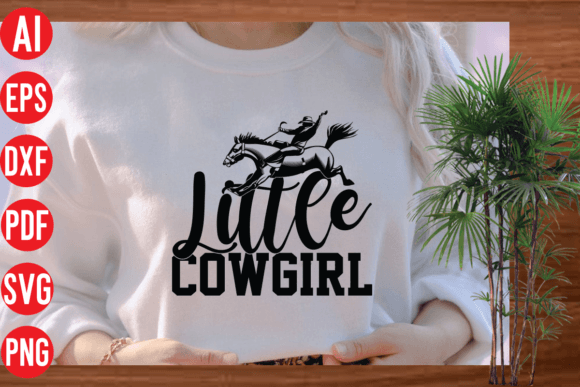
The Little Cowgirl design has a warm, playful vibe with a clear Western theme. It features a stylized cowgirl figure—maybe a young rider or a mascot—with subtle details like boots, a hat, and some kind of animal companion. The layout is compact but not cramped, and the visual personality feels nostalgic yet modern enough to appeal to today’s customers.
I noticed the shape is symmetrical and centered, which makes it easy to position on garments or other fabric items. The detail level is moderate: there are enough elements to feel special without being overly complex. This balance gives it a handcrafted look that works well for both personalized gifts and commercial embroidery projects.
Real-Life Use Cases and Project Fit
One of the first scenarios I imagined was using Little Cowgirl on a custom sweatshirt for a boutique client. The design’s character-based nature made me think of how it would pop against a soft cotton hoodie. A satin stitch outline would give it definition, while the inner fill stitch areas add texture and depth.
For a tote bag design, especially one intended for a holiday gift or nursery decor, this design fits perfectly. Its 300 dpi resolution ensures clarity even after multiple washes, and the clean lines make it suitable for both black-and-white and color thread combinations. I also see potential for embroidered patches—especially ones meant for denim jackets or backpacks where a small but bold graphic is needed.
In baby embroidery, the motif’s innocence and whimsy could be ideal for a personalized item like a cap or onesie. But here, caution is key. The design includes some fine details, so you’ll need to test it on scrap fabric before committing to a delicate garment.
Where to Use Little Cowgirl Carefully
While versatile, Little Cowgirl isn’t suited for every situation. If you’re working with a small hoop size, you might find that some parts of the design get lost or don’t scale down well. The same goes for textured fabrics or thin materials, where stitch density can cause puckering or distortion.
On stretchy fabrics like spandex blends, the design could lose its crispness unless you use proper stabilizers. Dark fabric backgrounds may require more contrast in your thread colors to ensure visibility. For curved surfaces like caps or hats, the positioning and resizing will need careful planning to avoid stretching the design unnaturally.
If you're layering embroidered graphics over printed designs or other embellishments, inspect the corners and edges closely. Dense stitch areas can affect how other decorative accents sit next to it. Also, if the design includes tiny lettering or intricate patterns, those might not hold up on products that get frequent washing or heavy wear.
Design Impact on Visual Appeal and Branding
What stands out most about Little Cowgirl is its ability to elevate the visual appeal of any project it's applied to. Whether you're creating a handmade product for a local craft fair or preparing design assets for an Etsy listing, this design adds a touch of authenticity and charm that many customers crave.
It helps increase product value subtly. People recognize quality when they see it—and a well-executed Western-themed design can command a higher price point, especially if paired with premium fabrics and finishes. For craft businesses and creative entrepreneurs, this kind of design supports brand consistency by offering a recognizable style that can be used across different merchandise types.
As a personalized gift option, Little Cowgirl brings a sense of fun and nostalgia. It could easily become a signature piece for your shop, increasing customer trust and buyer engagement. The design’s friendly and approachable look also enhances giftability, making it a great choice for holiday or birthday items.
Practical Embroidery Designer Notes
- Test it first: Always try Little Cowgirl on scrap fabric to see how it behaves with your specific machine, thread, and stabilizer setup.
- Thread color contrast: Especially important on dark or patterned fabrics. Consider using light-colored threads to maintain visibility and clarity.
- Stitch density: Adjust based on the fabric type. Thinner materials may need lighter fill stitches to prevent bulk or tearing.
- Hoop size confirmation: Make sure your hoop is large enough to accommodate the full design without cutting off important details.
- Small details inspection: Check for anything that might get distorted at smaller sizes, like facial expressions or tiny accessories.
- Black and white mockups: Run a quick preview to evaluate how the design looks without color bias.
- Fabric comparison: Compare the design on both light and dark backgrounds to understand how it affects the final product’s appearance.
- Proper stabilizer use: Especially for delicate or stretchy materials. A tear-away or cut-away stabilizer could help preserve the design’s integrity.
- Licensing check: Before selling finished items or digital products, confirm whether the design allows for commercial use. This is essential for Etsy sellers and digital product creators.
Final Thoughts from a Designer’s Perspective
Embroidery is as much about the outcome as it is about the process. Little Cowgirl offers a solid foundation for a wide range of embroidery projects, from sweatshirt embroidery to nursery decor. It’s not flashy, but it carries a quiet confidence that speaks volumes once stitched onto fabric.
Its adaptability across formats like AI, EPS, SVG, PNG, DXF, and PHD means it can fit into different workflows—from machine embroidery designs to printable mockups. As long as you keep in mind the limitations around fabric types and hoop sizes, this design can serve as a reliable asset in your creative toolkit.
I’d say Little Cowgirl is best suited for T-Shirt Designs and other casual apparel items, but with some adjustments, it can shine on tote bags, aprons, and even pillow covers. Just remember to treat it like any professional embroidery file: with respect and attention to detail.