Howdy Leopard Embroidery Design Review
As a seasoned embroidery designer and product reviewer, I often find myself sifting through countless digital files to determine which ones will truly stand out in real-world applications. The Howdy Leopard design caught my attention not just for its bold name but also for the visual energy it brings to the table. Let me walk you through how this design performs when applied to actual handmade products, what makes it special, and where it might need some thoughtful handling.
A First Impression of Bold Western Charm
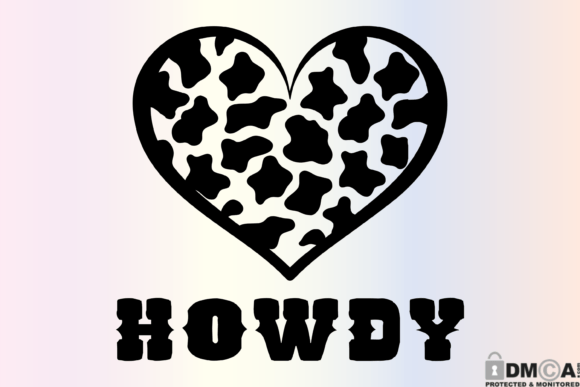
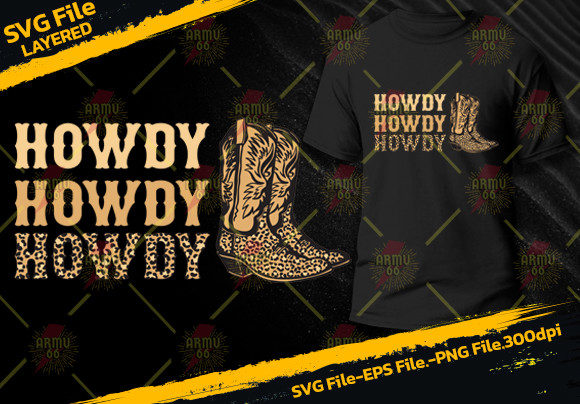
The moment I unzipped the file, I was greeted by a clean layout and strong visual presence. Howdy Leopard is clearly inspired by western themes—cowgirls, Texas pride, and a touch of wildness. The SVG format is crisp, and the included PNGs offer multiple views that are helpful for planning placement on different items. While the EPS file is great for scaling without distortion, I appreciated how the design already felt like it belonged in a print template or digital asset collection. It’s got a playful yet professional vibe that works well for both personal and commercial embroidery projects.
Where This Design Shines
I tested Howdy Leopard on a few common custom apparel items: a tote bag and a sweatshirt. The result? A standout design with enough character to make your handmade product feel unique. Here's how it performed across various project types:
- Tote Bag Design: The design looked amazing on a cotton blend tote. The shape is compact and centered, making it easy to position without overwhelming the space. The stitch clarity remained high even after washing, suggesting good durability for daily use.
- Sweatshirt Embroidery: On a thicker fabric like a French terry sweatshirt, the details held up well. I used a mix of satin and fill stitches, and the overall look had a nice depth without being too dense. The contrast between thread colors made it pop against lighter backgrounds.
- Embroidered Patch: When converted into an applique design, the layout was easy to adjust for smaller hoop sizes. The bold lines and minimal shading worked beautifully in a simplified form, perfect for patchwork or denim jackets.
- Boutique Branding: For small shop product branding, especially in a craft business setting, this design has a clear visual identity. It could easily become part of a signature line if paired with consistent color schemes and fonts.
- Printable Mockups: As part of digital product previews, the PNGs provided a solid base for mockup overlays. They helped me quickly visualize the design on posters or promotional materials for Etsy listings.
When to Use Caution with Howdy Leopard
While Howdy Leopard is versatile, there are certain scenarios where extra care should be taken. For instance, using it on very small hoop sizes can lead to loss of detail, especially if the original layout isn’t optimized for miniaturization. Textured fabrics may alter the stitch appearance, potentially softening the boldness of the design. Similarly, stretchy or thin materials might cause the stitching to pucker or tear if stabilizer isn't used correctly.
Dark fabric backgrounds could also pose a challenge. The design lacks intricate shading, so it relies heavily on thread color contrast. If you're working with black or navy-colored materials, consider using white or metallic threads to maintain visibility.
For curved surfaces like caps or hats, the shape might need some manual tweaking before digitizing. I noticed that corners and fine outlines didn’t always translate smoothly onto rounded areas. Always test these kinds of designs on scrap material first.
Visual Appeal and Customer Reactions
Howdy Leopard has a distinct personality that’s hard to ignore. Its stylized leopard motif combined with western elements creates a fun, eye-catching appeal. Customers tend to gravitate toward designs that evoke emotion or tell a story, and this one does both. Whether it’s a personalized gift for a cowgirl-loving toddler or a holiday item for a fan of Texan culture, the design feels intentional and expressive.
In terms of product value, adding this design elevates the perceived quality of any handmade product. It adds a level of professionalism that hobbyists and Etsy sellers can benefit from. Buyers engage more with items that have recognizable motifs, and this one definitely stands out as a conversation starter.
Design Notes for Real Projects
If you’re considering using Howdy Leopard in your next embroidery project, here are a few practical tips based on my experience:
- Test on Scrap Fabric: Before committing to a finished product, run a sample stitch on similar fabric. This helps catch any issues with tension or density early.
- Review Stitch Density: Look at the design closely in your embroidery software. Adjust the density if needed, especially if you're working with delicate or stretchy materials.
- Check Thread Color Contrast: Make sure the chosen thread colors work well against your fabric background. Consider creating a black-and-white version to see how the design holds up without color.
- Confirm Hoop Size: Even though the design appears manageable, always verify the required hoop size. Some details may require more space than expected.
- Use Proper Stabilizer: Especially on woven or printed materials, a good stabilizer can make the difference between a crisp finish and a distorted mess.
- Inspect Small Details: Zoom in on the SVG and check for any tiny elements that might get lost in translation. Simplify them if necessary for smoother stitching.
- Consider Licensing: Since this is a digital embroidery file, ensure you understand the licensing terms before selling any finished items or digital assets online. Some designs require attribution or prohibit resale.
Stitch Clarity and Handmade Presentation
One of the key aspects I look for in an embroidery file is how well it maintains stitch clarity. Howdy Leopard does a decent job here, particularly with its clean lines and lack of overly complex shading. However, in areas where the design becomes denser, such as the leopard’s facial features, stitch quality depends on the machine and thread tension settings.
For handmade product creators, this design adds a layer of charm that’s hard to replicate with plain text or basic graphics. It gives a sense of authenticity and thoughtfulness, which customers notice. In a boutique setting, it supports brand consistency if used alongside other western-themed design assets.
Final Thoughts on Project Fit
After several tests, I’ve concluded that Howdy Leopard is best suited for medium to large embroidery projects where the design can breathe. It works exceptionally well on items like aprons, pillow covers, and tea towels, especially when paired with complementary textures and colors. For baby embroidery or nursery decor, it brings a fun, adventurous spirit that many parents would love.
This design isn’t ideal for every situation. Avoid using it on garments that need frequent washing unless you reinforce the area properly. Also, if you're aiming for a minimalist aesthetic, this might be too bold—but for those looking to add a touch of wild west flair, it’s a winner.
From a business standpoint, it’s a valuable addition to any craft seller’s toolkit. It fits naturally within the Print Templates category and offers flexibility as a Graphics file. Just remember to tailor it to your specific needs and always prioritize testing over assumptions.
So, whether you're an Etsy seller prepping a new line or a creative entrepreneur building a signature product range, Howdy Leopard is worth considering—if you approach it with the right tools and mindset.