Cowboy Killer SVG: A Designer’s Honest Take on Real-World Embroidery Use
As a designer and product reviewer with years of hands-on experience in the embroidery world, I often find myself evaluating digital files like Cowboy Killer SVG not just for their aesthetic appeal, but for how they perform across a variety of real-life applications. This particular design caught my eye because of its bold theme and attention to detail. In this article, I’ll walk you through what it looks like out of the box, how it translates into tangible products, and where you might want to use it with care.
First Impressions: Bold, Rugged, and Ready to Shine
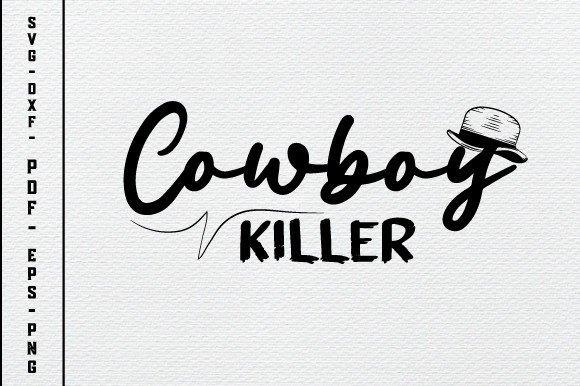
The moment I opened the Cowboy Killer SVG file, I was struck by its visual personality. It carries a rugged, Americana vibe—think cowboys, boots, and wide open spaces—with sharp lines and a well-balanced composition. The design is clearly handcrafted, which means there's a level of intentionality that machine-generated templates often miss. The layout feels intentional, with elements spaced just right to avoid overcrowding while still delivering a full-coverage impact.
This kind of design is ideal for projects where you want something that stands out without being overwhelming. The details are intricate enough to add character but not so complex that they become a nightmare to stitch. For someone looking to create custom apparel or personalized gifts, this could be a solid choice—especially if your target audience gravitates toward Western or rustic themes.
Where Does It Fit Best?
- Sweatshirt embroidery: The size and density of the design make it suitable for larger areas like front chests or back panels.
- Tote bag design: As a central graphic, it can elevate a simple canvas tote into a standout accessory.
- Boutique branding: If you're running a small shop or Etsy store focused on Western wear, this SVG could help reinforce your brand identity.
- Printable mockups: Since it's part of the Graphics category under Print Templates, it works great as a preview for digital downloads or social media promotions.
Real-Life Test: Applying It to a Tote Bag Project
To get a true sense of how Cowboy Killer SVG performs, I decided to test it on a cotton canvas tote bag. I used a standard embroidery machine setup with a few different thread colors to see how it responded. The first thing I noticed was the clarity of the satin stitches along the main outlines—they held up beautifully, even after cutting away the stabilizer. The fill stitches were consistent and didn’t bunch up, which is always a good sign when dealing with dense areas.
I also ran a black-and-white mockup before stitching to check how the contrast would look against both light and dark fabrics. On white canvas, the design looked clean and vibrant. On navy blue, the colors needed to be adjusted slightly for better visibility. This tells me that while the design is strong, color selection plays a big role in its final appearance.
When it came time to present the finished tote at a local craft fair, customer reactions were positive. People appreciated the boldness and the nostalgic feel of the design. One buyer asked about using it for baby clothes, but I advised them to scale it down carefully due to the detail-heavy nature of the graphics.
What Makes It Work Well?
- Strong visual hierarchy: The design doesn't rely on tiny lettering or overly delicate elements. Instead, it uses confident shapes and clear outlines to make an impression.
- Optimized for stitch flow: There's no obvious distortion in the stitch paths, and the overall structure suggests it was designed with multiple machines in mind.
- Great for handmade products: Whether you're making one-of-a-kind pieces or preparing for a small batch run, the design maintains its quality and charm.
Use With Care: Not Every Fabric or Project Is Ideal
While the Cowboy Killer SVG has a lot going for it, there are situations where it may not shine as brightly. Here are a few places where I’d recommend caution:
- Small hoop sizes: Because of the detailed nature of the design, scaling it down too much can lead to loss of clarity and potential stitch misalignment.
- Textured or stretchy fabrics: The design includes areas that require tight stitch density. Stretchy materials like knits or textured ones such as denim can cause puckering or distortion if not properly stabilized.
- Curved surfaces: Patches or caps with curved surfaces may show slight stretching unless the design is specifically optimized for those applications.
- Thin or delicate fabrics: The fill areas could weigh down lightweight materials like linen or silk blends. Always consider fabric weight before choosing stitch types.
If you're working on a project that involves frequent washing, like baby clothes or aprons, be sure to review the stitch density and adjust if necessary. High-density areas may need extra reinforcement or a different stitch type to maintain durability over time.
Designer Notes: How to Maximize Its Potential
Here are some practical tips I follow when working with any new SVG file, especially one like Cowboy Killer SVG:
- Test on scrap fabric first: Especially if you're planning to use it commercially, do a trial run to catch any issues early.
- Check thread color contrast: Make sure the colors you choose stand out against the background fabric.
- Review stitch density settings: Adjust these based on your machine and fabric type to prevent puckering or gaps.
- Confirm hoop size requirements: If the original design recommends a minimum hoop size, stick to it for best results.
- Inspect small details: Look for areas with fine lines or intricate corners that might break during stitching.
- Use proper stabilizer: Especially important for stretchy or thin fabrics to keep everything from shifting mid-stitch.
- Check licensing terms: Before selling finished products or digital assets, ensure you have the correct permissions to use the design.
Impact on Product Value and Customer Perception
Embroidery isn’t just decoration—it adds value, personality, and professionalism to any product. When applied correctly, the Cowboy Killer SVG can significantly enhance the visual appeal of items like sweatshirts, patches, and pillow covers. Its strong design language gives customers a sense of craftsmanship and authenticity, which is especially important for handmade product lines or personalized gift collections.
From a branding perspective, this design helps establish a cohesive look across your offerings. It can serve as a signature element in a craft business or small shop product lineup. For Etsy sellers or boutique owners, having a design like this ready to go can streamline production and increase buyer engagement. The more polished your embroidered patch or holiday gift appears, the more likely it is to stand out in a competitive market.
Visual Appeal vs. Stitch Clarity
One of the things I appreciate most about this SVG is how it balances visual appeal with stitch clarity. The design doesn’t sacrifice legibility for style, which is crucial for anything that needs to be seen up close—like a custom apparel label or a nursery decor piece. However, don’t expect it to work flawlessly on every surface or fabric. It's a design that benefits from thoughtful application rather than being a one-size-fits-all solution.
Final Thoughts: A Design That Works Harder Than It Looks
In short, Cowboy Killer SVG is a versatile and visually compelling option for a range of embroidery projects. Whether you're creating digital embroidery files for your own collection or sourcing design assets for client work, it offers a professional finish that aligns with both personal and commercial expectations.
But remember, no matter how beautiful the file looks, success comes down to how you apply it. Be mindful of fabric choices, hoop size, and stitch adjustments. And always take a moment to imagine how it will appear on the finished product—not just as a flat image, but as a stitched reality.
For hobbyists and makers who want to bring a little Western flair into their creations, this design is a great fit. For apparel decorators or commercial embroidery professionals, it’s worth testing in various formats and scenarios to confirm its adaptability.
So yes, Cowboy Killer SVG earns a place in my design toolkit—but only after careful consideration of its strengths and limitations. That’s the mark of a truly useful machine embroidery design.