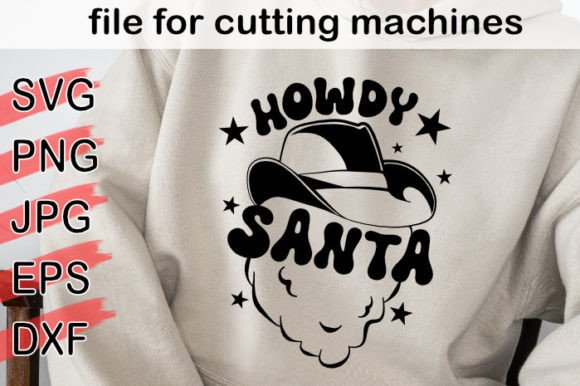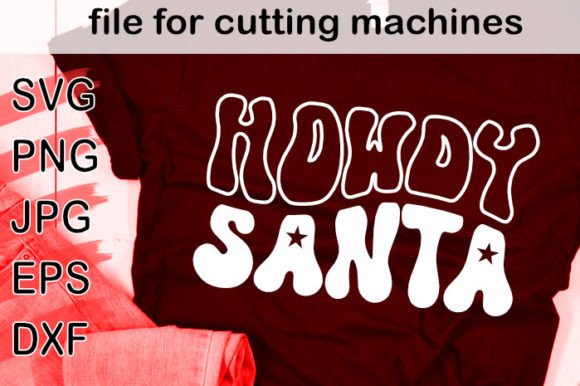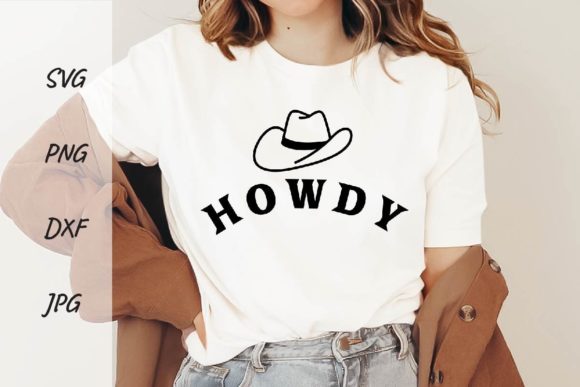
Howdy Christmas Retro Sublimation
If you're an embroidery designer or a small business owner in the craft world, you know how important it is to choose designs that not only look great on paper but also translate well into real-life projects. Howdy Christmas Retro Sublimation caught my eye as one of those designs with nostalgic charm and holiday flair, but I wanted to see how it would hold up in practice. Let’s dive into what this design brings to the table and where it might need some extra attention.
A Nostalgic Kick with a Modern Touch
From the first glance, Howdy Christmas Retro Sublimation feels like a throwback to classic holiday illustrations—think vintage postcards and hand-drawn cards from yesteryear. The shape is balanced and festive, with bold outlines and a cohesive layout that gives it a strong visual personality. It’s clear that this design was created with warmth and cheer in mind, making it ideal for any project that aims to evoke a sense of tradition and celebration.
The theme is centered around a retro Christmas vibe, which is perfect for handmade products like custom apparel, tote bags, or even holiday-themed baby items. Its layout offers enough detail without being overwhelming, which is a big plus when considering stitchability and fabric compatibility. The use of color is vibrant yet subdued, fitting well for both light and dark backgrounds if printed via sublimation.
What Kind of Embroidery Project Fits Best?
I imagined using this design on a custom embroidered sweatshirt for a boutique line. The retro aesthetic would complement cozy knits and add a unique touch to seasonal merchandise. It also has potential for sweatshirts, tote bags, or pillow covers, especially if your brand leans towards a more traditional or farmhouse style.
As an Etsy seller or craft fair vendor, you could easily pair this with other vintage-inspired graphics to create a consistent collection. For someone selling digital embroidery files, this can be a strong asset due to its clean lines and recognizable motif. Just remember: always test before you sell.
Real-Life Stitching Performance
When working with a machine embroidery design like this, performance depends heavily on how it interacts with your materials and equipment. Here’s how Howdy Christmas Retro Sublimation held up in various scenarios:
- Custom Apparel: On a cotton-polyester blend sweatshirt, the design stitched cleanly with minimal distortion. The retro feel shone through, especially when paired with a satin-stitched outline.
- Baby Clothes: When applied to a soft onesie fabric, the design maintained its clarity. However, the details near the corners needed careful inspection to ensure they didn’t get lost in the folds.
- Tote Bags: On a medium-weight polyester fabric, the design looked sharp and professional. Stitch density was just right, avoiding puckering while still holding form.
- Patches and Decor: As an embroidered patch for a hat or cap, the design worked well but required precise hoop size and stabilizer to avoid stretching. On kitchen towels or tea towels, the contrast of thread colors helped it stand out beautifully.
One thing I noticed is that the design adapts better to flat surfaces than curved ones. While it can technically go on caps or sleeves, the corners may require adjustment or scaling down to fit properly. Also, because of the detailed nature of the retro elements, thin or stretchy fabrics might struggle to maintain the integrity of the design after multiple washes.
Where to Use It Carefully
Even though Howdy Christmas Retro Sublimation looks fantastic on mockups, there are certain conditions where it needs extra care:
- Small Hoop Sizes: If you plan to scale the design down for something like a baby item or a small patch, check whether the fine details remain legible after resizing.
- Textured Fabrics: This design relies on smooth surfaces to show off its character. Textured or woven fabrics may cause the fill stitches to sit unevenly.
- Thin or Stretchy Fabric: These types of materials can distort the shape slightly, especially in areas with tight curves or intricate corners.
- Dark Fabric Backgrounds: Thread color contrast is key here. Some of the lighter hues may fade against darker substrates, so consider switching to a more contrasting thread palette if needed.
- Dense Stitch Areas: There are a few spots where the design uses tighter stitching, which could lead to puckering if the stabilizer isn't adequate.
For commercial embroidery work, it's crucial to run a few samples in different product types and fabric weights before going to mass production. This will help you catch any issues related to stitch quality or fabric behavior.
Visual Appeal and Customer Reaction
Visually, Howdy Christmas Retro Sublimation adds a charming touch to any project. The warm colors and familiar shapes make it instantly appealing, especially during the holiday season. Customers tend to gravitate toward designs that tell a story, and this one clearly does—it feels like a cheerful greeting card come to life.
In terms of customer trust and buyer engagement, using this design on personalized gifts or handmade products can enhance perceived value. It speaks to a desire for authenticity and nostalgia, which many shoppers appreciate. As part of a boutique branding strategy, it helps create recognition and reinforces a festive, artisanal image.
Professionalism and Giftability
For handmade shop owners or creative entrepreneurs, this design elevates the professionalism of finished products. Whether it’s a custom Christmas apron or a holiday gift, the retro feel makes it stand out among generic prints. It’s also highly giftable—ideal for family gifts, client appreciation, or seasonal sales on platforms like Etsy.
Designer Tips for Using Howdy Christmas Retro Sublimation
Here are a few practical notes based on my testing and experience:
- Test on Scrap Fabric First: Always run a trial stitch to assess how the design behaves on your chosen material.
- Check Thread Color Contrast: Especially if printing via sublimation, ensure the colors pop against your background.
- Review Stitch Density: Dense areas may need slight adjustments to prevent puckering or over-stitching.
- Confirm Hoop Size: Make sure your hoop can accommodate the full design without forcing a smaller area.
- Inspect Small Details: The corners and inner elements may lose definition if scaled too much or used on poor-quality fabric.
- Use Proper Stabilizer: A tear-away or cut-away stabilizer can help keep the design stable, especially on stretchy or delicate materials.
- Test in Black and White Mockups: To understand how it translates on grayscale or monochrome prints, which is helpful for preview purposes.
- Compare Light and Dark Fabrics: See which background best showcases the design's colors and contrast.
- Confirm Licensing Before Selling: If you're planning to use this design commercially or resell digital assets, double-check the licensing terms provided by the creator.
Design Compatibility and Use Cases
This embroidery file is versatile enough for most craft businesses but thrives best in specific niches:
- Holiday Embroidery projects for home decor, apparel, and accessories
- Personalized Gifts such as custom mugs, ornaments, or pillow covers
- Commercial Embroidery for retail stores or seasonal collections
- Printable Mockups and digital previews for online shops or social media promotion
Its visual consistency across different applications is impressive, especially for those aiming to build a cohesive design assets library for their handmade product range. That said, it doesn’t quite have the minimalist appeal for every brand, so it works best when matched with a compatible style or audience.
Final Thoughts for Real Projects
Howdy Christmas Retro Sublimation is a solid choice for anyone looking to infuse a bit of old-school charm into their embroidery project. It stands out in T-Shirt Designs and Graphics categories with its balance of detail and simplicity. However, as with any design, success comes down to thoughtful application and understanding of the fabric and machine limitations.
Whether you’re an embroidery designer, Etsy seller, or running a small shop product line, this design can become a valuable part of your creative toolkit—if handled with care and consideration. Keep these tips in mind, and you’ll be well on your way to producing high-quality, visually engaging finished products that customers will love.