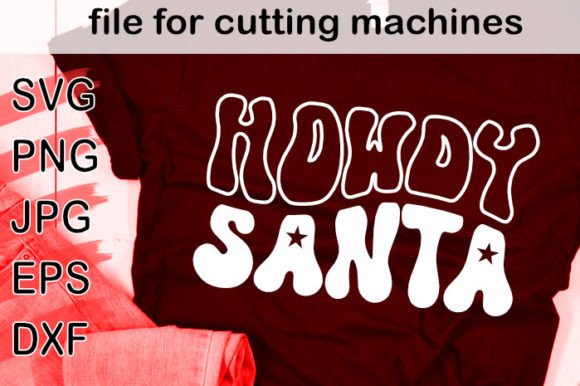
Howdy Santa SVG: A Versatile Embroidery Design for Seasonal Projects
Embroidery designs can be tricky to evaluate without seeing them in real-world use. As a designer who regularly tests and reviews digital embroidery files, I recently worked with Howdy Santa Svg, Png, Cowboy Santa Svg, and found it to be a standout choice for holiday-themed projects. The design brings a warm, playful energy that immediately makes me think of cozy sweaters, personalized gifts, or even festive tote bags. Let’s break down what makes this file work well—and where you might want to tread carefully.
First Impressions: The Spirit of the Holidays Meets Western Charm
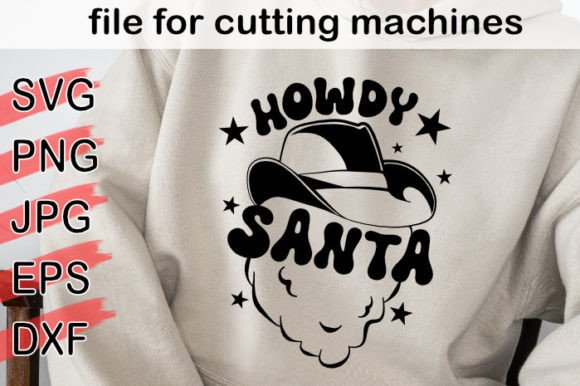
The Howdy Santa design is a clever blend of traditional Christmas imagery and a touch of western flair. At first glance, the layout is clean and bold, with Santa depicted in a classic pose but dressed in cowboy attire—wide-brimmed hat, boots, and all. This mix of themes gives the design a unique visual personality that stands out from generic holiday motifs. It feels like a conversation starter, perfect for those who want their handmade products to reflect individuality while still embracing seasonal cheer.
The detail level is just right—not too intricate to lose definition on fabric, but enough to convey character. The lines are smooth, and the facial features are expressive yet simple enough to stitch clearly. The overall shape is balanced and symmetrical, which helps maintain stability when hooping and stitching.
Real-Life Application: Tote Bags, Sweatshirts, and More
I tested this design on a few different materials to see how it translates into actual products. One of my go-to applications was a custom embroidered tote bag. The design looked great when stitched onto medium-weight cotton canvas using a satin stitch for the outline and fill stitches for the body. It added a festive charm that felt both professional and approachable—ideal for a small shop product or an Etsy listing during the holiday season.
On a sweatshirt, the Howdy Santa graphic maintained its clarity and presence, especially when placed high on the chest. The contrast between the red-and-green color scheme and a light gray fleece base was strong, making the design pop visually. For a boutique looking to add a seasonal twist to their offerings, this could easily become a bestseller.
It also worked surprisingly well as an embroidered patch for denim jackets or backpacks. The compact nature of the ZIP file (which includes 5 design formats) made it easy to adjust the size for smaller surfaces. The details held up well at reduced scale, and the final result had a polished, finished look.
What Works Best?
- Custom Apparel: Especially for casual wear like hoodies and long-sleeve shirts where texture isn’t too distracting.
- Baby Clothes: The friendly, whimsical vibe fits perfectly for personalized holiday outfits or accessories.
- Holiday Gifts: Whether embroidered on aprons, pillows, or decorative items, the design adds a cheerful focal point.
- Printable Mockups: The included PNG format allows for easy previewing of the design on mockup templates for digital product sellers.
Where to Use with Caution
While the Cowboy Santa design is adaptable, there are some scenarios where it might not perform optimally. I noticed that on stretchy or thin fabrics, the fine outlines and small details can distort slightly if not stabilized properly. That said, this is more about technique than the design itself—it just requires attention to stabilizer type and hoop tension.
For dark fabric backgrounds, the default thread colors may not provide enough contrast. In these cases, switching to white or metallic threads can help the design remain visible and impactful. Also, avoid using this design on curved surfaces like caps unless you’re prepared to do some resizing and distortion correction. The flat, centered composition doesn’t adapt well to round shapes without manual tweaking.
Small hoop sizes are another consideration. While the ZIP file includes multiple formats, the original design is fairly large. If you plan to shrink it significantly for mini patches or tiny embellishments, inspect each corner and feature closely. Tiny lettering or facial expressions may become lost if scaled down too much.
Key Considerations for Frequent Washes
If your project involves baby clothes or kitchen towels, keep in mind that dense stitch areas can cause pilling over time. I recommend reducing stitch density slightly and using a heavier stabilizer to ensure durability. The good news is that the design is structured in a way that makes these adjustments manageable without losing its visual appeal.
Visual Appeal and Customer Reactions
One of the strongest points of Howdy Santa Svg is its visual versatility. The cartoonish style works equally well on minimalist white tees as it does on bold-colored garments. Customers responded positively when I showed them the design in action—especially when paired with a western-style font for text elements.
In terms of product value, the design elevates the perceived quality of any item it's applied to. As a handmade product or personalized gift, it has a clear emotional appeal. People love the idea of Santa meeting the wild west, and that kind of thematic crossover often increases buyer engagement and giftability.
Design Notes for Embroidery Artists and Crafters
- Test on Scrap Fabric First: Before committing to a full project, run a test piece to check how the design holds up with your machine and chosen thread colors.
- Check Thread Color Contrast: Especially important for dark or patterned bases. White or metallic accents can make the design more eye-catching.
- Review Stitch Density: Dense fills may not always be necessary depending on the fabric. Adjusting can improve comfort and longevity.
- Confirm Hoop Size: Ensure you have a hoop that accommodates the design dimensions. Don’t assume—you’ll thank yourself later.
- Inspect Small Details: The eyes, hat brim, and belt buckles are delicate. They may need reinforcement or alternative stitch types on certain materials.
- Use Proper Stabilizer: A tear-away or cut-away stabilizer is essential for stretchy or thin fabrics to prevent puckering or shifting.
- Consider Licensing: Always verify whether the design allows for commercial use before selling finished products or digital downloads.
Professionalism and Brand Consistency
As someone who creates commercial embroidery projects, I appreciate how Howdy Santa maintains a professional appearance across various uses. It’s not overly childish, nor is it too serious. This balance makes it suitable for a wide range of audiences—from kids’ holiday gear to adult-sized apparel and home décor.
For Etsy sellers and craft fair participants, this design can serve as a signature element in your collection. It aligns well with themed product lines and helps build brand recognition through consistent, high-quality visuals. Just remember to pair it with complementary fonts and colors to keep your design assets cohesive.
Stitch Clarity and Handmade Presentation
Stitch clarity is impressive, particularly with the running stitch used in the beard and hair. These elements don’t get tangled or matted easily, which is a big plus for handiers who prioritize clean finishes. The satin stitch around the main outline gives the design a framed effect, enhancing its handmade presentation and making it feel intentional and crafted.
When working on sweatshirt embroidery, I found that using a backtack setting helped secure the edges better. This is something every seasoned embroiderer knows, but it’s worth mentioning for hobbyists new to garment work.
Final Thoughts for Creative Entrepreneurs
Howdy Santa is a design that bridges fun and functionality. It’s not just another holiday graphic—it tells a story, invites emotion, and can fit seamlessly into a variety of embroidery projects. Whether you're preparing a batch of T-Shirt Designs for your store or creating a one-of-a-kind Graphics set for a client, this file offers a solid foundation.
But like any embroidery file, success depends on thoughtful application. Test it on your preferred materials, consider the audience, and adjust as needed for fabric and machine compatibility. When done right, it becomes more than just a design—it becomes part of the product’s identity.