Horsing Around SVG Cowboy Skeleton Review for Real Projects
As an embroidery designer with years of experience, I often find myself sifting through digital designs to determine which ones are worth the investment. When I first saw Horsing Around SVG Cowboy Skeleton, it immediately caught my eye—not just because of its quirky theme, but because it has that rare balance of charm and practicality that’s essential for real-world use. This is one of those illustrations that feels like it could work in a variety of contexts, from custom apparel to boutique branding. But before jumping into any project, I always take a step back to evaluate how a design will perform beyond the screen.
First Impressions: The Mood and Visual Personality
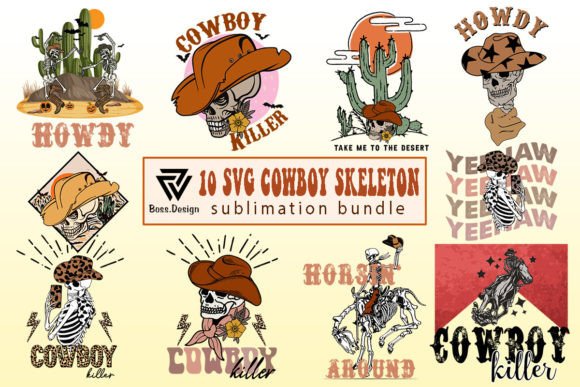
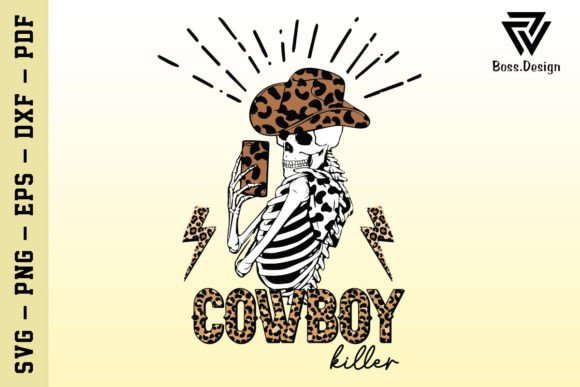
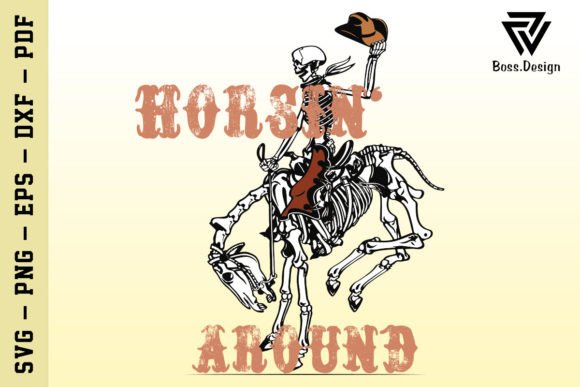
The Cowboy Skeleton in this graphics package brings a playful yet edgy vibe. It’s not your typical Western motif; instead, it leans into a lighthearted twist with a touch of gothic flair. The shape is well-proportioned, making it easy to scale without losing visual impact. The layout is clean, avoiding unnecessary clutter while maintaining enough detail to feel unique. It’s a bold statement piece that can easily become the focal point of an embroidered item, especially when paired with complementary elements like hats, boots, or campfire motifs.
What stood out most was the level of visual personality. The character has expressive features and a dynamic pose—riding a horse mid-gallop—that gives it movement and energy. As someone who values storytelling in embroidery, this made me consider how it might look on a sweatshirt or tote bag as part of a larger themed collection. The overall mood is fun, adventurous, and slightly mysterious, which makes it versatile for different audiences and product types.
Real-World Embroidery Applications
I’ve used similar machine embroidery designs for custom apparel and promotional items, and the Horsing Around SVG fits right in. It would work beautifully on a sweatshirt embroidery project, where you want something bold and noticeable. On a tote bag, it could be a standout feature for a personalized gift or a small shop product aimed at niche markets like Halloween-themed accessories or western-inspired fashion.
This illustration also has potential in handmade products. Imagine using it for a decorative patch on a denim apron or a pillow cover. Its high-resolution PNG and SVG files make it ideal for both applique design and fill stitch applications. For craft business owners and Etsy sellers, it could be a valuable asset for holiday gifts, nursery decor, or even wedding party favors if styled correctly. The design adds a whimsical edge that many customers love, especially when it comes to personalized gifts or boutique-style items.
Stitch Clarity and Fabric Considerations
When evaluating a digital embroidery file for actual stitching, one of the first things I check is how the details translate into stitch density and clarity. The cowboy skeleton design handles this well. The lines are distinct and consistent, which means they should hold up nicely on most stable fabrics. However, there are some considerations.
- Small hoop sizes: While the main figure is fairly compact, the galloping motion includes some trailing limbs and hair. These fine details may get lost or distorted if stitched in a very small hoop. Always test on scrap fabric first to see how it scales down.
- Textured fabrics: The design looks best on smooth surfaces like cotton, quilting cotton, or felt. If you plan to stitch it onto flannel or canvas, you’ll need to adjust tension and possibly increase stabilizer use to keep the lines sharp.
- Stretchy or thin materials: Avoid using this on stretchy knits unless you’re prepared to stabilize them aggressively. Thin fabrics like jersey can cause shadowing or distortion, particularly around the intricate facial features and hat brim.
- Dark backgrounds: The contrast of the skeleton against darker tones is visually striking, but thread colors must be carefully selected. A white or cream satin stitch outline could enhance visibility and add dimension.
Where to Use It Carefully
While the Horsing Around SVG is a strong candidate for many projects, there are certain scenarios where it requires more attention:
- Curved surfaces: The design’s elongated posture won’t adapt well to curved areas like caps or hats unless you modify the vector file for better fit and reduce stitch density accordingly.
- Detailed corners: The cowboy’s fingers and the horse’s mane involve tight curves and angles. These areas might snag or pucker if the stabilizer isn’t properly applied or if the fabric isn't prepped correctly.
- Frequent washing: Because of the detailed nature of the design, avoid using it on baby clothes or kitchen towels unless you use durable thread and heavy-duty stabilizer. Frequent laundering can loosen delicate stitch areas over time.
Design Impact on Product Value and Branding
Embroidery is more than decoration—it’s a way to elevate the perceived value of a product. The Cowboy Skeleton has that “cool factor” that can significantly boost buyer engagement, especially in a craft business or Etsy listing. It adds a sense of humor and uniqueness that sets handmade items apart from mass-produced goods.
For small shop product lines, this design can help build brand consistency if used across multiple items—like a matching set of coffee mugs, aprons, and patches. Its visual appeal supports giftability, and the subtle western theme offers room for customization with additional text or logos. Just be sure to test it in black-and-white mockups before finalizing thread colors, especially if you’re selling digital embroidery files to others.
Designer Notes and Best Practices
Here are some tips I’d share with fellow embroidery designers or hobbyists considering using this design:
- Test on scrap fabric: Before committing to a client project or batch of merchandise, always stitch a sample to assess quality and adjust settings if needed.
- Review stitch density: Make sure the fill stitches don’t overpower the outlines. Especially on lighter fabrics, too much density can create shadows or distort the original intent of the illustration.
- Confirm hoop size: If the file doesn’t specify recommended dimensions, do your own testing. This design works best in medium to large hoops due to the extended limbs and tail.
- Inspect small details: The eyes, nose, and horse’s face have subtle contours that require precise execution. These are key to the design’s charm and should be preserved.
- Use proper stabilizer: Depending on the fabric, opt for tear-away or cut-away stabilizers to prevent puckering in dense areas. A lightweight grid stabilizer could help maintain structure without adding bulk.
- Check thread color contrast: Play with thread combinations to highlight the skeleton’s bones and the horse’s silhouette. A two-tone approach could add depth and interest.
- Confirm licensing before selling: Since this is a commercial-ready graphics file, always verify whether the seller allows resale of finished products or digital embroidery files. Licensing terms aren’t specified here, so double-check before including it in your design assets library.
Final Thoughts on Project Suitability
The Horsing Around SVG Cowboy Skeleton is a solid choice for anyone looking to add a memorable element to their next embroidery project. Whether you're designing for a personal passion project or preparing inventory for a craft fair product line, this illustration brings a creative spark that's hard to ignore.
However, it’s important to remember that no design is one-size-fits-all. This particular graphics file shines on flat, stable surfaces with light to medium weight fabrics. Avoid it on stretchy or highly textured materials unless you’re ready to invest extra time in prep and adjustments. And always test it on your preferred fabric before going full-scale.
If you're aiming for a mix of humor and sophistication in your next embroidered patch or tote bag design, this illustration is definitely worth considering. Just approach it with the same care and thoughtfulness you would any other design—because in the world of handmade and commercial embroidery, attention to detail is what builds customer trust and long-term success.