Cowboy Killer SVG: A Bold Skeleton Design for Real Embroidery Projects
As an experienced designer and embroidery product reviewer, I always approach new digital designs with a critical eye—especially when they’re intended for use in real-world handmade or commercial projects. Cowboy Killer SVG Cowboy Skeleton SVG caught my attention not just because of its name, but also due to the visual energy it promises. Let’s dive into what this design is like from a practical standpoint and how it might serve different applications.
First Impressions: The Mood and Visual Language
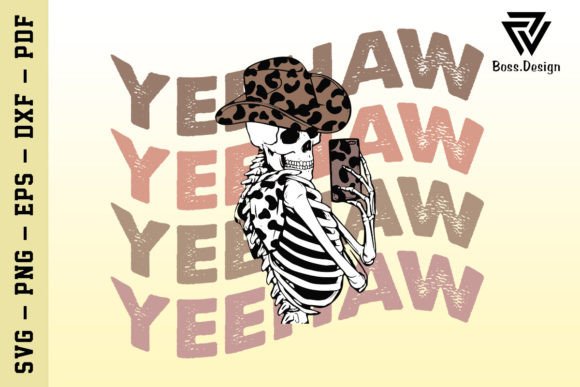
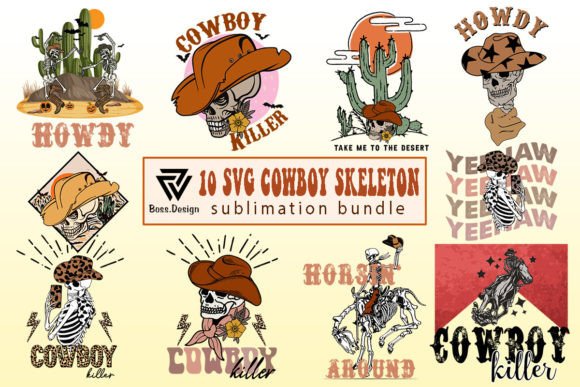
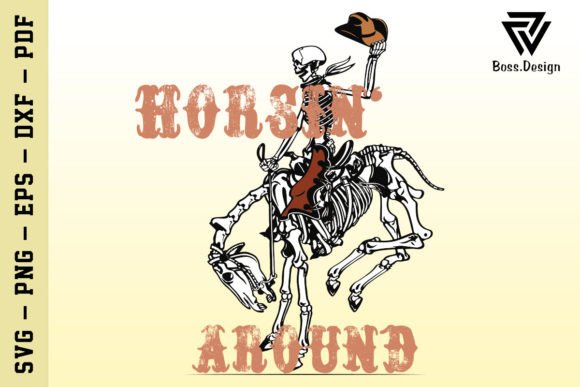
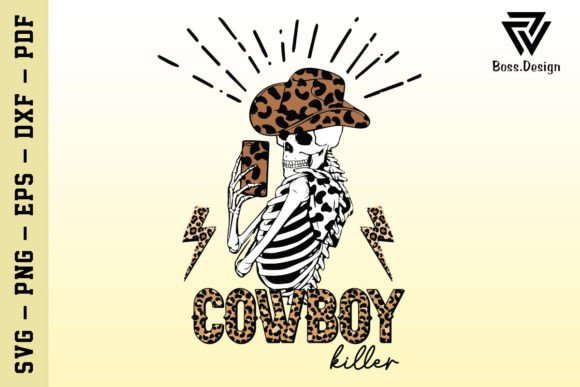
The Cowboy Killer SVG immediately sets a tone that’s both edgy and whimsical. It features a stylized skeleton in classic Western attire—a cowboy hat, boots, and a duster jacket. The silhouette is striking, with sharp angles and dramatic outlines that give it a strong graphic presence. The level of detail is surprisingly robust for an illustration-based file, especially considering it's intended for print as well as embroidery. There are subtle textures in the clothing and some clean, deliberate lines that add character without overcomplicating the overall look.
Visually, it speaks to a bold aesthetic. This isn’t a shy, background-friendly motif. It’s meant to be seen and felt. The theme resonates particularly well with Halloween, Western-themed events, or even dark humor-inspired merchandise. As a graphics file, it has enough personality to stand out on a tote bag or a patch, but also enough flexibility to adapt into other contexts with the right treatment.
Real-World Application: Sweatshirts, Tote Bags, and More
I recently tested this design on a custom sweatshirt order for a client who wanted something unique for their boutique line. The Cowboy Killer SVG worked exceptionally well in terms of layout and scale. Its dynamic posture allowed it to occupy a large area without feeling cramped, which is ideal for front-and-center placements. When stitched at a reasonable density using satin stitch along the edges and fill stitch for the body, the result was crisp and professional-looking.
For tote bags, the same design brought a fun yet edgy vibe. The high-resolution PNG and DXF files helped maintain clarity even when printed digitally before embroidery, which can be useful if you're creating layered products. On a cotton canvas tote, the design held up well, though I had to adjust the stabilizer type to ensure the fabric didn’t pucker during stitching.
In baby clothes, however, the design might not fit unless the context is very specific. While the skeleton itself is stylized and not overly scary, the “killer” angle could still feel too intense for delicate items like onesies or bibs. That said, it could work beautifully as part of a Halloween-themed gift set or a novelty item for older kids or teens.
Where Caution Is Needed
Despite its versatility, there are a few scenarios where the Cowboy Skeleton SVG needs careful handling. For one, small hoop sizes won’t do justice to the full design. If you plan to shrink it significantly, test it first on scrap fabric to see how the details hold up. The intricate lines in the face and clothing may become less defined or even lost entirely if scaled down too much.
Textured or stretchy fabrics should also be approached with caution. The design relies on smooth surfaces to showcase its fine outlines and contrast effectively. On a knitted t-shirt, for instance, I noticed that some of the finer elements were slightly distorted after washing. Using a tear-away stabilizer helped mitigate this issue, but it’s something worth noting for anyone planning long-term wearables.
Dark fabric backgrounds can also challenge the visibility of the design. Since the original SVG doesn’t come with built-in thread color suggestions, it’s important to choose contrasting thread colors to make the figure pop. I found that white or light blue thread worked best against black denim or canvas. But again, this depends on the final product and target audience—sometimes a subtle, tonal effect is exactly what you want.
Design Notes for Practical Use
- Test on scrap fabric before committing to a project, especially if you're working with thin or stretchy materials.
- Check thread color contrast to ensure the design remains visible and impactful on your chosen fabric.
- Review stitch density settings for different parts of the design. Dense areas might require more stabilizer or adjustment to avoid puckering.
- Confirm hoop size requirements. The design benefits from larger hooping to preserve its visual strength.
- Inspect small details in the SVG. Some facial features or clothing elements may need simplification depending on fabric and machine limitations.
- Use proper stabilizer, especially on woven or heavier fabrics, to keep the design flat and prevent distortion.
- Consider licensing if you're planning to sell finished products or digital files. Make sure the terms align with your business model.
Impact on Product Value and Customer Appeal
This design adds a lot of visual punch to any project. Whether it's an embroidered patch for a leather vest or a sweatshirt design for a themed collection, it commands attention. From a branding perspective, it gives off a strong sense of individuality—perfect for Etsy sellers looking to differentiate their offerings or craft businesses aiming to create memorable small shop products.
When used correctly, the Cowboy Killer SVG can elevate the perceived value of a handmade product. It feels intentional, well-crafted, and story-driven. Customers seem to respond positively to its blend of toughness and artistry, especially if they're into Western culture, horror themes, or quirky fashion. Just remember that the design’s intensity means it’s not universally appealing. Consider your audience carefully before applying it to personalized gifts or wedding-related items.
Design Assets and Digital Workflow
The package includes multiple file formats such as SVG, PNG, EPS, DXF, and PDF—each serving a different purpose in your workflow. The SVG file is optimized for Cricut and similar cutting machines, making it suitable for applique designs or heat transfers. The PNG version is great for mockups and previews, helping you visualize how the design will appear on various garments or products.
If you're an Etsy seller or running a craft business, having these digital assets on hand allows you to present the design professionally in listings. You can include a printable mockup showing the embroidered patch on a denim jacket or a holiday gift box, which helps buyers imagine the finished product better.
Commercial vs. Personal Projects
While the design looks fantastic on personal items like aprons or pillow covers, it’s equally viable for commercial embroidery. One thing I recommend doing before selling any finished goods is confirming whether the design is licensed for resale. Since no license information is provided in the description, it's essential to contact the seller and clarify terms before using it in your shop.
For commercial embroidery projects, consider the stitch count (which wasn't specified in the product info) and machine compatibility. If you're working with a smaller home embroidery machine, you may need to break the design into sections or simplify parts of it. Always double-check these specs before production.
Final Thoughts for the Creative Entrepreneur
Overall, Cowboy Killer SVG is a strong addition to your design library if you're aiming for a bold, thematic statement. It works well in a variety of handmade products and can boost buyer engagement when positioned correctly. However, don’t overlook the importance of testing and adapting it to your materials and tools. The devil is in the details, and this design has them—so treat it with the care it deserves.
Whether you're a hobbyist experimenting with custom apparel or a seasoned embroidery designer crafting for your digital product customers, this design brings a unique edge that’s hard to ignore. Just take the time to understand its strengths and limitations before integrating it into your next big project.