Cowboy Icon Design Review: A Versatile Embroidery Asset for Real Projects
As a designer and embroidery product reviewer with years of experience in the craft, I always look for designs that not only stand out visually but also perform reliably in real-world applications. The Cowboy Icon Design caught my attention because it promises simplicity through its use of thin lines, which can be tricky to translate into successful embroidery. Let’s dive into what this design brings to the table—and where you might want to tread carefully.
First Impressions: Clean, Minimalist, and Character-Driven
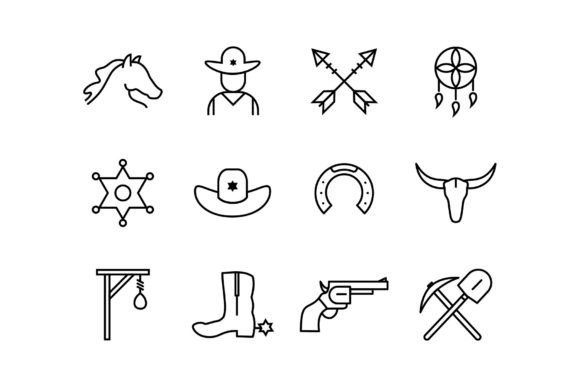
The Cowboy Icon Design delivers a bold yet minimalist aesthetic. With 12 icons in total, each one is crafted using fine outlines and minimal interior detail, making them ideal for modern UI/UX interfaces or contemporary handmade products. They have a strong visual identity—think chaps, hats, and lassos rendered with clarity and charm. These aren’t just generic cowboys; they carry a sense of motion and character that makes them memorable.
I was especially impressed by how well the shapes are defined. Because they rely on thin lines rather than heavy fill areas, they avoid the “busy” look that can overwhelm small items or delicate fabrics. This makes them perfect for projects like custom apparel, embroidered patches, or even baby clothes where subtlety and space efficiency matter.
Visual Personality and Project Fit
This set has a clear theme and style, which means it could easily become part of a cohesive branding package for a craft business or boutique line. Whether you’re creating sweatshirt embroidery for a western-themed brand or a tote bag design for an Etsy listing, these icons add a touch of Americana without being too over-the-top.
I found myself imagining how they’d look stitched onto a denim apron or a canvas backpack. Their clean lines would pop against a natural background, giving off a rugged but stylish vibe. For handmade products, this kind of design often strikes the right balance between artistic and professional, helping your finished product feel intentional and high-quality.
Real-Life Embroidery Performance: What Works and Why
Embroidery isn’t just about looking good on screen—it needs to stitch cleanly and hold up under scrutiny. Here's how the Cowboy Icon Design fares in actual project use:
- Custom Apparel: These icons work beautifully on t-shirts and sweatshirts, especially when placed strategically—say, along the sleeve or as a subtle chest motif. Their low stitch density helps prevent puckering, even on stretchier knits.
- Baby Clothes & Nursery Decor: The soft, outline-based style fits perfectly into gentle, playful themes. Just make sure the fabric is stable enough to support the details.
- Embroidered Patches: As standalone patches, the cowboy icons maintain their shape and clarity. They’re great for adding a quick graphic element to jackets, jeans, or bags.
- Tote Bags and Aprons: Canvas and cotton blends are ideal for showcasing the thin lines and open spaces of these icons. The design doesn't require complex stabilizers, saving time and cost.
- Pillow Covers and Tea Towels: On household items like these, the icons contribute a charming touch without overwhelming the piece. They're especially effective when paired with other simple graphics or text elements.
- Digital Product Previews: Since the set includes AI, EPS, SVG, and PNG files, it's versatile for digital mockups and online previews. It looks sharp in both color and black-and-white versions, which is helpful for testing different color schemes before production.
- Holiday and Wedding Gifts: The cowboy icon adds a fun, thematic twist to personalized gifts. Think custom mugs, coasters, or holiday cards—this design feels festive while maintaining professionalism.
Design Assets That Elevate Your Craft Business
For Etsy sellers and small shop product creators, having a reliable set of design assets is essential. These icons don’t just look good—they help your listings stand out. When used consistently across your product range, they reinforce brand recognition and give customers a familiar visual language to connect with your offerings.
In terms of machine embroidery design performance, the thin-line approach translates well to most machines, provided you adjust stitch settings appropriately. The lack of dense fill areas means less risk of distortion, especially on medium-weight materials. But remember, every machine is different—always test the design on scrap fabric first.
Where Caution Is Key: Practical Limitations to Consider
While the Cowboy Icon Design is impressively versatile, there are some situations where it may not shine quite as brightly. Here are a few key considerations:
- Small Hoop Sizes: Icons with fine lines can get lost in tiny hoops. Always confirm the recommended hoop size if provided, or do a trial run at scale to see how much detail remains visible after stitching.
- Textured or Stretchy Fabrics: Thin lines struggle on surfaces like corduroy, felt, or jersey knit. You’ll need to adjust tension and possibly simplify the design further to maintain clarity.
- Dark Fabric Backgrounds: While the PNG files offer transparency, dark materials can mute the impact of light thread colors. Test with white or cream threads to ensure visibility.
- Curved Surfaces (Caps, Hats): Icons with corners or straight lines can distort on curved embroidery fields. Use a curved surface simulator in your software to preview how they'll lay out.
- Frequent Washing: If you plan to use this in items like baby clothes or kitchen towels, ensure the thread types and stitch patterns are durable enough to withstand repeated laundering.
Detailing the Details: Stitch Clarity and Thread Choices
One thing I noticed is that the embroidery file maintains excellent stitch clarity when scaled down—but only if the fabric supports it. On lightweight cotton or linen, the fine lines might break or become uneven unless you use a proper stabilizer and control stitch density.
Thread choice is another important factor. These icons look best with contrasting thread colors. If you’re embroidering on a light fabric, go with darker tones for better visibility. Conversely, bright colors on a dark background will highlight the icon's presence and make it more eye-catching.
Also, since the design relies on outlines, avoid using overly thick or textured threads that could obscure the delicate lines. Smooth polyester or rayon threads are safer bets for preserving the intended aesthetic.
Design Impact on Customer Engagement and Branding
What makes the Cowboy Icon Design truly valuable is how it enhances the visual appeal of your products. Customers respond to clear, confident imagery—even if it’s subtle. These icons don’t shout; they whisper, inviting curiosity and engagement.
Used in a printable mockup for digital sales, the icons help buyers visualize the final product more effectively. For physical items, they contribute to a polished look that builds customer trust and increases perceived value. In a competitive market like Etsy or craft fairs, that difference can be significant.
Professional Presentation Meets Handmade Charm
Many hobbyists worry that using pre-made embroidery files will make their products feel mass-produced. Not so with this set. The thin lines and thoughtful composition lend themselves to a handcrafted feel, especially when combined with unique fabric choices or custom lettering. It’s a great option for those who want to streamline their workflow without sacrificing creativity.
Additionally, the design works well as an applique design when layered with other elements. Imagine pairing it with a name monogram or a seasonal border—it elevates the overall presentation and adds depth to your personalized gift or holiday embroidery projects.
Designer Tips for Getting the Most Out of Cowboy Icon Design
To ensure the best results from this design, here are a few tips based on my hands-on experience:
- Test on Scrap Fabric First: Always stitch a sample before committing to a full project. This lets you tweak thread colors, stabilizers, and tension settings.
- Review Stitch Density: Fine-line designs can suffer if stitches are too loose or tight. Adjust the density based on fabric weight and desired outcome.
- Check Thread Color Contrast: Use a light background with dark thread or vice versa to maximize visibility and aesthetic impact.
- Inspect Small Details: Look closely at intricate parts like eyes or belt buckles. If they don’t stitch clearly, consider simplifying or enlarging the design slightly.
- Use Proper Stabilizer: Especially on lighter or stretchier fabrics, a tear-away or cut-away stabilizer can help preserve the integrity of the design.
- Test Black and White Mockups: Before finalizing any color scheme, try rendering the design in grayscale. This helps identify potential issues with contrast or legibility.
- Compare Light and Dark Backgrounds: Seeing how the design interacts with different fabric colors can guide your thread selection and placement strategy.
- Confirm Licensing for Commercial Use: If you plan to sell products featuring the Cowboy Icon Design, double-check licensing terms. Some digital embroidery files come with restrictions on resale or commercial application.
A Balanced Choice for Creative Entrepreneurs
Whether you're running a craft business or designing for personal use, the Cowboy Icon Design offers a refreshing blend of practicality and personality. It's not flashy, but it’s functional—something I appreciate as a designer who values longevity and usability.
It’s particularly useful for commercial embroidery projects that require consistency and scalability. From branding logos to packaging illustrations, these icons adapt well across formats. Just be mindful of context: a detailed cowboy figure may not suit a tiny cap, but a simplified silhouette could work wonders on a patch or label.
Final Thoughts: A Designer’s Honest Take
The Cowboy Icon Design is a solid addition to any embroidery designer’s toolkit. It brings a sense of nostalgia and individuality to modern products, which is hard to find in many stock icons and graphics. Its strength lies in its simplicity, which allows it to fit seamlessly into a wide variety of embroidery projects, from personalized gifts to small shop merchandise.
However, it’s not a one-size-fits-all solution. To get the best from it, take the time to understand how its structure interacts with your materials and tools. Don’t skip the test stitch. And above all, match the mood of the design to the product you’re creating—because that’s what turns a good design into a great finished product.
With careful planning and smart execution, the Cowboy Icon Design can become a staple in your creative repertoire, helping you deliver products that resonate with customers and reflect your design sensibilities accurately.