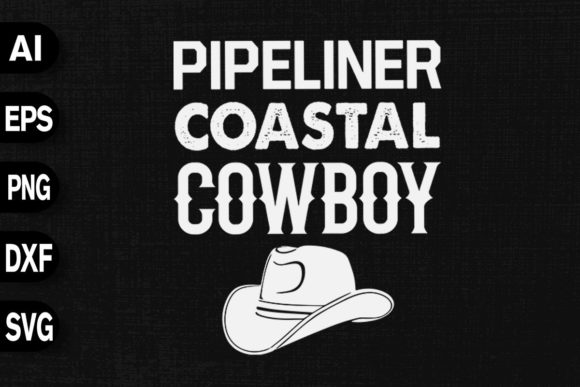
Pipeliner Coastal Cowboy Embroidery Design Review
As an embroidery designer with years of experience, I’ve seen my fair share of digital embroidery files. Some designs are functional but forgettable, while others bring a unique personality to any project they’re applied to. Pipeliner Coastal Cowboy is one of those designs that caught my attention for its visual charm and versatility. In this review, I’ll walk you through how it feels in practice—what makes it work well, where it needs care, and what kind of finished product it can elevate.
First Impressions: A Nautical Western Fusion
The moment I opened the embroidery file, I was struck by the design’s character. It combines the ruggedness of a cowboy motif with the laid-back, coastal vibe of nautical elements—a clever mashup that feels both nostalgic and modern. The layout is balanced, with bold outlines and enough detail to stand out without being overwhelming. The theme suggests a story: maybe a cowboy who prefers the beach over the rodeo, or a coastal town with a wild spirit.
What stood out most was the shape of the design. It has a strong, central focus with clear lines that make it easy to place on different surfaces. Whether you're working on a tote bag design or a sweatshirt embroidery, the structure gives it a grounded look that won’t get lost in movement or fabric stretch. The color palette uses thread colors that pop well against light backgrounds, though I’ll come back to that later.
Real-World Use Scenarios
I recently used Pipeliner Coastal Cowboy for a custom order: a set of embroidered pillow covers for a client’s home décor line. These were destined for a boutique selling small shop products with a handcrafted feel. The design added just the right amount of flair without overpowering the subtle textures of the linen fabric. It looked great as a machine embroidery design and translated smoothly into a printable mockup for their online store.
Another scenario where this design shines is in custom apparel. Picture a hoodie or T-shirt with this image stitched near the chest area. It’s not too large, which means it doesn’t overwhelm smaller garments, but it’s also substantial enough to be noticed. For craft business owners, especially Etsy sellers, this could be a perfect fit for seasonal or themed collections like holiday gifts or personalized items.
It also works surprisingly well for embroidered patches, particularly when sewn onto denim jackets or canvas bags. The clean lines and minimal shading make it easier to stitch clearly, even if you're using a lower-end machine. Just keep in mind that stitch density may vary depending on your hoop size and stabilizer choice.
Where It Works Best
- Baby clothes and nursery decor—its whimsical yet classic style fits cozy, casual looks.
- Holiday gifts or personalized products—it adds a touch of storytelling to handmade items.
- Commercial embroidery for small businesses—especially those with a rustic or adventurous brand identity.
- Printable mockups for digital product previews—this design looks sharp in both preview formats and actual stitching.
Design Considerations for Different Projects
While Pipeliner Coastal Cowboy is adaptable, there are some nuances to consider based on your embroidery project. Here's how I approached testing it across a few mediums:
T-Shirt and Hoodie Embroidery
For a standard custom t-shirt, the design performed well. It maintained clarity on cotton blends, and the contrast between the thread colors and fabric was visually appealing. However, if you plan to use it on dark-colored shirts, you’ll need to adjust thread choices carefully. I recommend using white or light pastel threads to preserve visibility and stitching quality.
Tote Bag and Apron Applications
On tote bags made from woven cotton or canvas, the design held up beautifully. The stitch density was just right—not so tight that it puckled, nor so loose that it felt unfinished. When applying it to aprons, especially ones with vertical seams or pockets, I found that positioning the design slightly off-center helped avoid stitch distortion from fabric folds.
Small Hoop Sizes and Textured Fabrics
If you're planning to use this design in a tiny hoop size, say under 4 inches, you’ll want to scale it down and inspect the small details closely. While the main silhouette remains intact, some finer lines might become less defined. Also, on textured fabrics like flannel or twill, the design may require more precise tension control and stabilizer to prevent stitches from skipping or distorting.
Visual Appeal and Brand Impact
One of the strengths of Pipeliner Coastal Cowboy is its ability to enhance the visual appeal of a product. The mix of western and coastal themes makes it ideal for brands targeting outdoor enthusiasts or lifestyle-oriented customers. As an Etsy seller, I could see this design fitting into a collection of “adventure-themed” gifts or home goods, instantly making them feel more intentional and professional.
When placed correctly, the design doesn’t just sit on the fabric—it tells a story. Customers often respond positively to such imagery because it evokes emotion and connection. This makes it a good candidate for handmade products where presentation matters. You don’t have to add much else; the design does most of the talking.
Practical Designer Notes
Here are some key takeaways from my hands-on testing with Pipeliner Coastal Cowboy:
- Test on scrap fabric first: Especially if you're using it for the first time, try it out on a sample piece before committing to a full batch.
- Check thread color contrast: On darker or patterned fabrics, the default thread colors may not be visible enough. Swap them for complementary shades.
- Review stitch density: If you notice pucker during test runs, adjust the stitch spacing or switch to a lighter stabilizer.
- Confirm hoop size: Though no exact measurements are given, ensure your hoop is large enough to accommodate all design elements comfortably.
- Inspect small details : Zoom in on the SVG file to check for tiny lettering or intricate parts that might be tricky on certain machines.
- Use proper stabilizer: Especially on stretchy or thin materials, backing or tear-away stabilizers help maintain stitch integrity.
- Consider black and white mockups: This helps determine if the design will still be legible and attractive without color.
- Compare light and dark fabric backgrounds: You may need to tweak the design or thread colors depending on your base material.
- Check commercial licensing: Before using this in mass production or selling digital design assets, confirm whether the file allows for commercial use.
Final Thoughts on Pipeliner Coastal Cowboy
In the world of embroidery projects, finding a design that balances style and practicality is rare. Pipeliner Coastal Cowboy hits that sweet spot. Its blend of themes offers a fresh twist that stands out in a market flooded with generic motifs. Whether you're creating personalized gifts or building a line of small shop products, this design brings a level of professionalism and creativity that can help boost buyer engagement and brand recognition.
That said, it’s not a one-size-fits-all solution. Take the time to evaluate how it behaves on your specific materials and for your intended audience. With a bit of thoughtful preparation and adjustment, Pipeliner Coastal Cowboy can become a valuable part of your embroidery design toolkit.